

Always Active
Required for security, remembering your privacy choice, and core website features. These cannot be switched off.
Moles, known medically as naevi, are clusters of pigment cells that most people develop during childhood and early adulthood. The vast majority are harmless. This guide, reviewed by consultant dermatologist Dr Veronique Bataille, explains the common types of moles and other marks, and when it is worth having your skin checked at Skintell in Mayfair, London.

Moles are grouped by where the pigment cells sit within the skin, which affects how they look.
All three types are benign. The type of mole someone develops can depend on its position on the body and on their age.
Moles first appear in childhood and grow in number and size through early adulthood. After the age of about 40, it is unusual to develop new moles, unless several people in your family have a lot of moles. A new mole appearing later in life is worth having checked.
Not every brown or coloured mark on the skin is a mole. Our guides cover the moles and benign marks people most often ask about:
To learn the warning signs in a mole, read our ABCDE guide.
See a doctor or book a check if a mole:
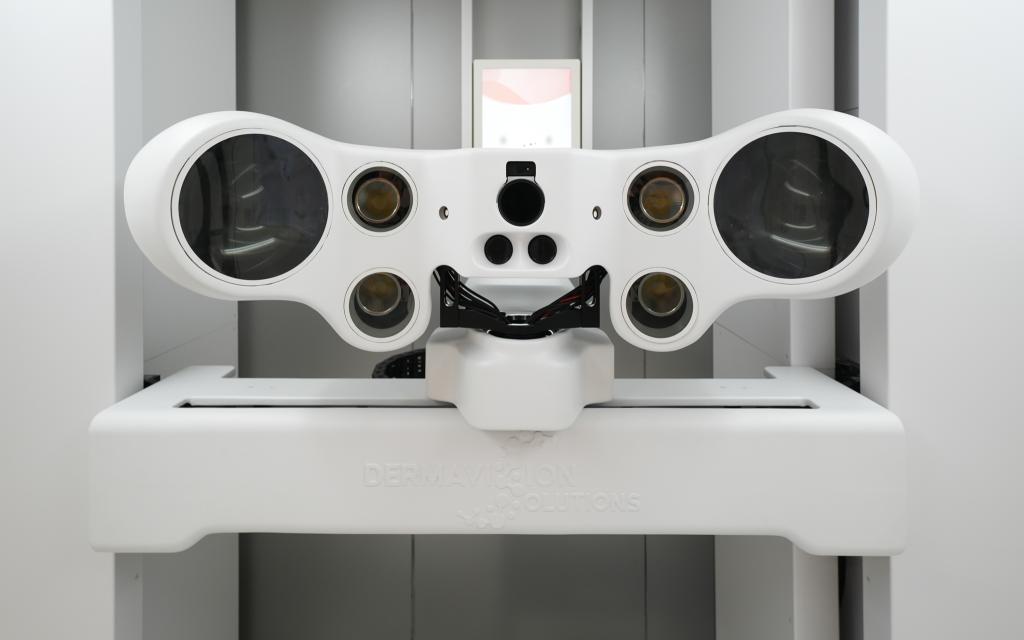
Our mole mapping service photographs your whole body and takes magnified dermoscopy images of every mole over 4mm. A consultant dermatologist reviews all of them and sends you a report within 72 working hours. If one particular mole is worrying you, our mole check page explains how it is looked at in detail.
Yes. The chance of any single mole turning into melanoma is very low. However, having a large number of moles, particularly big ones, increases the overall risk, which is why regular checks are recommended for some people.
Removing moles as a precaution is not the right approach for most people. Melanoma can develop from normal skin where there was no mole before, so monitoring your whole skin is more useful than removing individual moles.
Skintell scans adults aged 18 and over. Melanoma is extremely rare in children, and they are not routinely screened, apart from exceptional cases such as very large birthmarks.
If you have a mole you are unsure about, or simply want a full record of your skin, book an appointment at our Grosvenor Square clinic or call 0207 491 9989.
Medically reviewed by Dr Veronique Bataille, MD, PhD, FRCP, Consultant Dermatologist (GMC 3043925).
Testimonials
I've been a patient of Dr. Bataille for many years and the new mole mapping with Skintell is great, super quick scan got the moles I was worried about addressed. My report came back in 2 days and they give you a full image portal for whenever I need to review them.
Quick, efficient, and very friendly staff. This will become my regular check-up spot!
Brilliant service. The mole mapping was very swift and straightforward to arrange and the detailed report came just a few days later which was really clear and easy to understand. I would really recommend.
Excellent service from SkinTell. The whole experience was smooth, professional, and very reassuring. The mole mapping process was quick and thorough, and it was great to know that the images were being reviewed by a consultant …Read on Google: PR's full review (opens in a new tab)
Fantastic experience at Skintell. We came in as a couple for full-body mole mapping. The clinic setup offers complete privacy, the team is lovely and professional, and the gold-standard imaging tech is incredible. Our reports were reviewed …Read on Google: Diana Studio's full review (opens in a new tab)
Book Now
No referral needed. Seen within 2 to 3 days.
Book an AppointmentPrefer to call?
0207 491 99898am–8pm Monday to Friday, 10am–3pm Saturdays.
Same-day appointments are sometimes possible with as little as 2 hours' notice — call to check availability.