
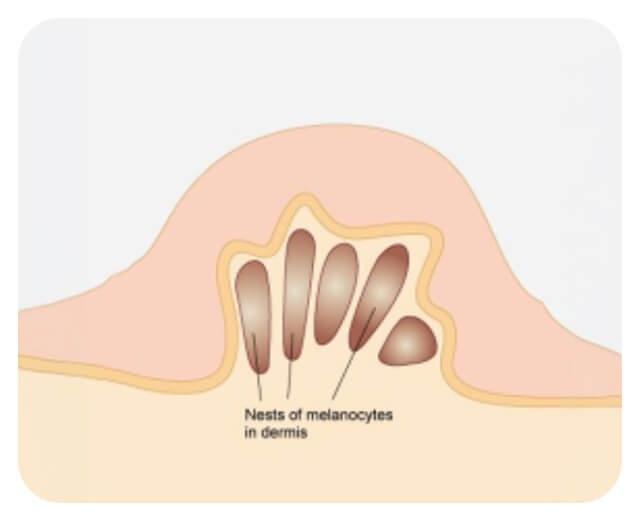
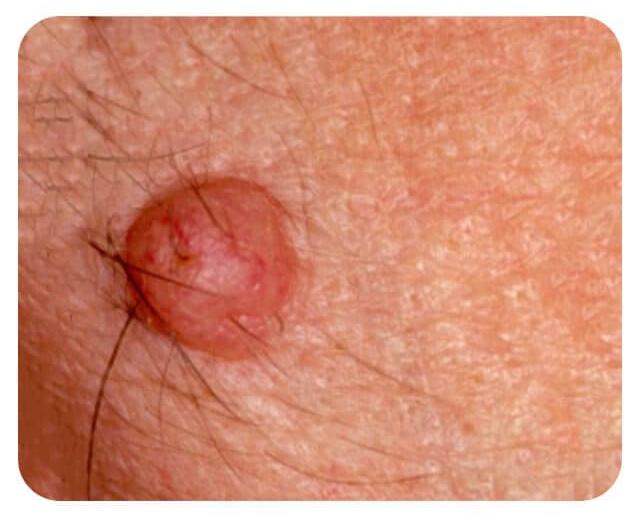
Junctional
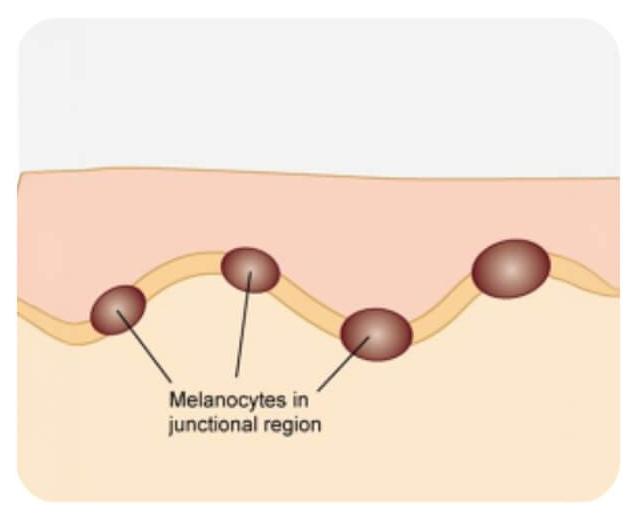
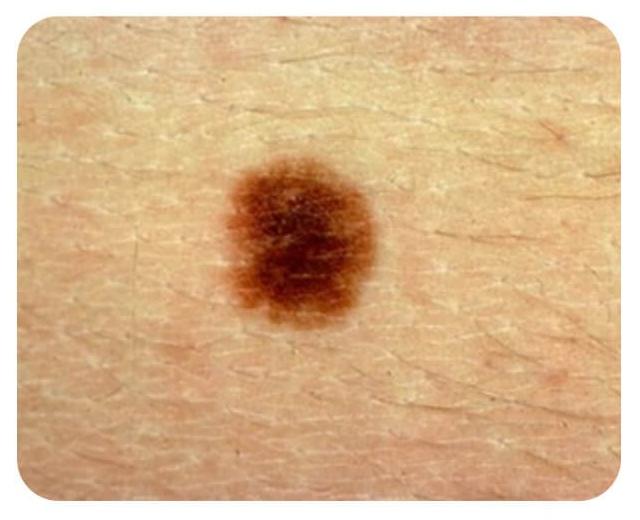
Atypical moles, also called dysplastic naevi, are moles that are larger than usual, typically over 5mm across, and often less even in shape or colour. Having many of them increases the risk of melanoma. At Skintell in Mayfair, London, atypical moles are mapped, photographed in magnified detail and reviewed by a consultant dermatologist, with yearly scans to check for change.
An atypical mole is a benign mole with features that make it look different from an ordinary mole. It is usually bigger, at more than 5mm in diameter, and may have a less regular outline or more than one shade of brown.
An atypical mole is not a melanoma, and the chance of any single one turning into cancer is very low. Their importance lies in what they say about your overall risk.
When someone has a large number of atypical moles, it is known as atypical mole syndrome, or the atypical mole syndrome phenotype. People with this pattern have a higher risk of developing melanoma.
Some people with atypical mole syndrome also have a family history of melanoma, or of several different cancers. It is important to record this history, as it allows your dermatologist to assess your melanoma risk more accurately. You can note it on the questionnaire you complete before your Skintell scan.


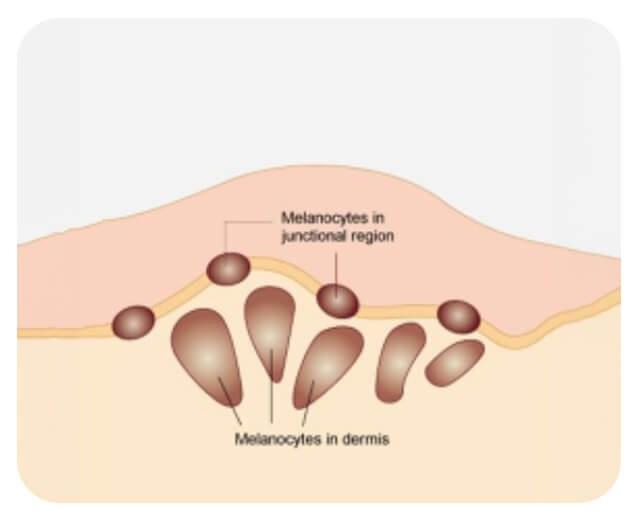
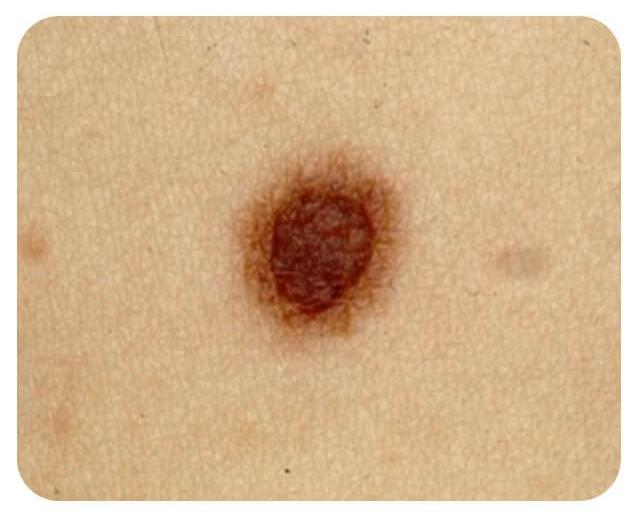
If you have many atypical moles, it is very hard to keep track of them by eye, and harder still to notice small changes. Yearly mole mapping records every mole on a body map, and each new scan is compared with the last to highlight any mole that has changed or appeared.
This matters because melanoma can develop not only in an existing mole but also in normal skin where there was no mole before. Monitoring the whole of your skin is therefore more effective than focusing on individual moles. Find out how mole monitoring and rescans work.
Removing atypical moles as a precaution is not the right way to manage a higher melanoma risk. Because melanoma can arise from previously normal skin, removing moles does not remove the risk. Careful monitoring, with removal only of moles that change or look suspicious, is the approach usually recommended.
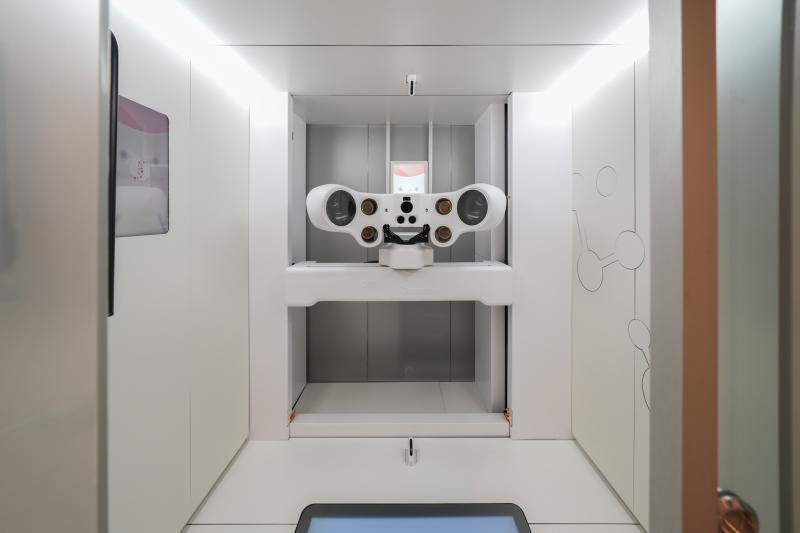
The Deviskan system photographs your whole body and captures dermoscopy images, magnified around 20 times, of every mole over 4mm. For people with many atypical moles, this can mean a large number of close-up images, all included in the standard £350 fee with no charge per mole.
Dr Veronique Bataille, whose specialist interests include familial melanoma and family cancer syndromes, or Prof. Simone Ribero, reviews every image and reports within 72 working hours.
Atypical moles are usually larger than 5mm and may be irregular in shape or colour, but it is not always easy to tell yourself. A dermatologist can assess them properly using dermoscopy images.
Rarely. Each individual atypical mole has a very low chance of becoming melanoma. Having many atypical moles is mainly a marker that your overall risk is higher.
Melanoma is extremely rare in children, so under 18s are not routinely screened. Exceptions may apply for children with very large birthmarks covering large areas of the body, which should be discussed with a dermatologist. Skintell scans adults only.
Yearly mole mapping is usually recommended, or more often if your dermatologist advises it.
If you have lots of larger or irregular moles, a baseline scan is a good place to start. Book your mole mapping appointment or call 0207 491 9989. You can also read about who should get mole mapping.
Medically reviewed by Dr Veronique Bataille, MD, PhD, FRCP, Consultant Dermatologist (GMC 3043925).
Testimonials
I've been a patient of Dr. Bataille for many years and the new mole mapping with Skintell is great, super quick scan got the moles I was worried about addressed. My report came back in 2 days and they give you a full image portal for whenever I need to review them.
Quick, efficient, and very friendly staff. This will become my regular check-up spot!
Brilliant service. The mole mapping was very swift and straightforward to arrange and the detailed report came just a few days later which was really clear and easy to understand. I would really recommend.
Excellent service from SkinTell. The whole experience was smooth, professional, and very reassuring. The mole mapping process was quick and thorough, and it was great to know that the images were being reviewed by a consultant …Read on Google: PR's full review (opens in a new tab)
Fantastic experience at Skintell. We came in as a couple for full-body mole mapping. The clinic setup offers complete privacy, the team is lovely and professional, and the gold-standard imaging tech is incredible. Our reports were reviewed …Read on Google: Diana Studio's full review (opens in a new tab)
Book Now
No referral needed. Seen within 2 to 3 days.
Book an AppointmentPrefer to call?
0207 491 99898am–8pm Monday to Friday, 10am–3pm Saturdays.
Same-day appointments are sometimes possible with as little as 2 hours' notice — call to check availability.